Do you want to promote a luxury product but don’t know where to start? You may think differently, but today’s luxury market is competitive and requires a nuanced understanding of modern marketing approaches capable of resonating with discerning consumers.
Also, the global luxury goods market has demonstrated robust growth, with its value reaching approximately €363 billion in 2023, the first good reason to invest in it.
This expansion underscores the lucrative opportunities available for brands that can navigate the complexities of luxury marketing.
So, how to promote a luxury product in 5 steps? Our guide wants to address the essential strategies for successfully promoting luxury products, giving you insights about:
- Understanding the luxury market: exploring the defining characteristics of luxury goods and the psychology driving consumer behavior in this sector.
- Crafting a distinctive brand identity: emphasizing the importance of brand heritage, storytelling, and superior product quality in establishing a unique market position.
- Developing an effective marketing strategy to create a sense of exclusivity, using high-end visual content, and leveraging influencer partnerships to enhance brand prestige and appeal.
- Optimizing digital presence: designing elegant, user-friendly websites and engaging with audiences on social media platforms using tailored content and luxury-specific copywriting techniques.
- Communicating exclusivity through strategic marketing initiatives: utilizing private memberships, limited-edition releases, personalized services, and immersive brand experiences to convey a sense of exclusivity.
So, please keep reading to learn how to implement these strategies, connect with luxury consumers, and differentiate themselves in a crowded marketplace.
1. Understanding the luxury market
To effectively promote a luxury product, you must first profoundly comprehend the luxury market’s unique dynamics. It is characterized by products and services that offer exceptional quality, exclusivity, and a prestigious brand heritage. So, understanding what defines a luxury product and identifying the target audience are the first important steps in crafting successful marketing strategies.
Defining luxury products
Luxury products are distinguished by several key characteristics that set them apart from mainstream offerings:
- Exclusivity: luxury brands often limit the availability of their products, creating a sense of rarity and desirability. This controlled scarcity enhances the perceived value of the items.
- Superior quality and craftsmanship: these products are crafted using the finest materials and exemplary workmanship, ensuring longevity and exceptional performance. The unwavering commitment to quality is a hallmark of luxury brands.
- Heritage and brand story: many luxury brands possess a rich history and tradition, which they leverage to build authenticity and trust with consumers. This heritage often becomes a central element of the brand’s identity.
- High price point: reflecting their exclusivity and quality, luxury products are typically priced significantly higher than average market offerings. This premium pricing reinforces their status as luxury items.
But what is the psychology behind luxury consumption? Well, it is multifaceted.
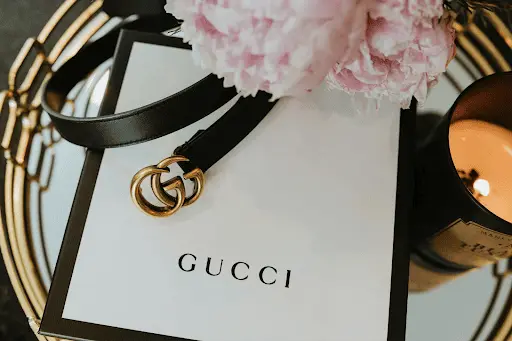
Consumers often purchase luxury goods for their functional benefits and, most of all, for the emotional satisfaction they provide.
Owning such items can serve as a status symbol, fulfilling desires for social recognition and personal accomplishment. Additionally, luxury products’ superior quality and exclusivity offer consumers a sense of pride and confidence in their choices.
Identifying the target audience
Another important aspect is understanding the demographics and psychographics of luxury consumers, which is essential for effective marketing.
Traditionally, luxury buyer personas have been older individuals with high disposable incomes, allowing them to invest in premium products without financial constraints.
However, the market is transforming, with younger generations, particularly affluent Gen Z consumers, emerging as key players.
Unlike their predecessors, they redefine luxury by prioritizing sustainability, authenticity, and personal wellness in purchasing, seeking brands that align with their values and lifestyle aspirations.
So, to invest in luxury marketing and launch a luxury product, you must recognize these evolving preferences. This way, you can refine your marketing strategies to establish deeper emotional connections with your audience. Aligning with their values and aspirations, fostering stronger brand loyalty, and ensuring long-term engagement with a new generation of discerning consumers.
2. How to promote a luxury product crafting a distinctive brand identity
As you can imagine, in the luxury market, a distinctive brand identity is important to differentiate products and foster a deep connection with discerning consumers. An identity you can build upon a rich brand heritage, compelling storytelling, superior product quality, and, last but not least, exceptional design.
Emphasizing brand heritage and storytelling
We have already mentioned the importance of heritage for a luxury product, so now let’s go deeper. Leveraging a brand’s history is essential because it helps establish authenticity and trust. How? By highlighting the brand’s origins, milestones, and evolution, you can create a narrative that resonates with consumers seeking depth and meaning in their purchases.
Just think about Rolex’s century-long history and unique position in the luxury market. They have been pivotal in building its prestigious reputation.
However, creating compelling narratives involves more than recounting history. It’s about connecting emotionally with the audience! This is why Luxury brands often intertwine their heritage with stories of craftsmanship, innovation, and exclusivity: an approach that transforms products into symbols of status, taste, and aspiration, elevating them beyond their functional attributes.
Ensuring superior product quality and design
If you want to sell a high-priced product, its quality should be aligned with it.
Here’s why at the heart of every luxury brand lies an unwavering commitment to superior quality and design.
How to do so? Craftsmanship plays a strategic role in this commitment, as it involves preserving cultural heritage and enhancing the brand’s value through meticulous attention to detail.
An example? Brands like Bottega Veneta have built their identity around artisanal techniques, such as their signature “Intrecciato” weaving, which exemplifies their dedication to quality and tradition.
On the other hand, innovative design elements also set luxury products apart in a competitive market. Tradition should always be present, but you can blend craftsmanship with contemporary aesthetics to create timeless yet modern pieces that appeal to loyal and new customers. The fusion ensures that products remain relevant and desirable, embodying the brand’s heritage while embracing current design trends.
3. Developing an effective marketing strategy
How can you distinguish your brand and connect with a discerning audience?
Surely, you have to create a sense of exclusivity, using high-end visual content and leveraging influencer partnerships to enhance brand prestige and appeal.
Let’s see how to do it better.
Creating a sense of exclusivity
Exclusivity is a defining element of luxury branding since it creates a sense of privilege and desirability that sets high-end products apart.
So, you have to implement strategies emphasizing the rarity and personalization role in reinforcing this perception, making consumers feel they are part of an elite circle with access to something truly special.
One of the most effective ways to cultivate exclusivity? Through limited editions and controlled availability.
If you restrict the number of products released or offer special collections only to select customers, you can heighten the appeal of your offerings and reinforce your premium status.
As you can see, this approach fosters a sense of urgency, as consumers recognize that access to your products is not guaranteed but reserved for a privileged few.
Beyond product scarcity, luxury brands strengthen their exclusivity also by curating highly personalized experiences for their most valued clients. For example, private shopping sessions, invitation-only events, and bespoke consultations provide an intimate and tailored approach to customer engagement.
Think about it. These experiences go beyond transactions; they transform the purchasing process into a moment of distinction and privilege. When customers feel personally connected to a brand, their loyalty deepens, reinforcing long-term engagement and ensuring they continue associating the brand with prestige and exceptional service.
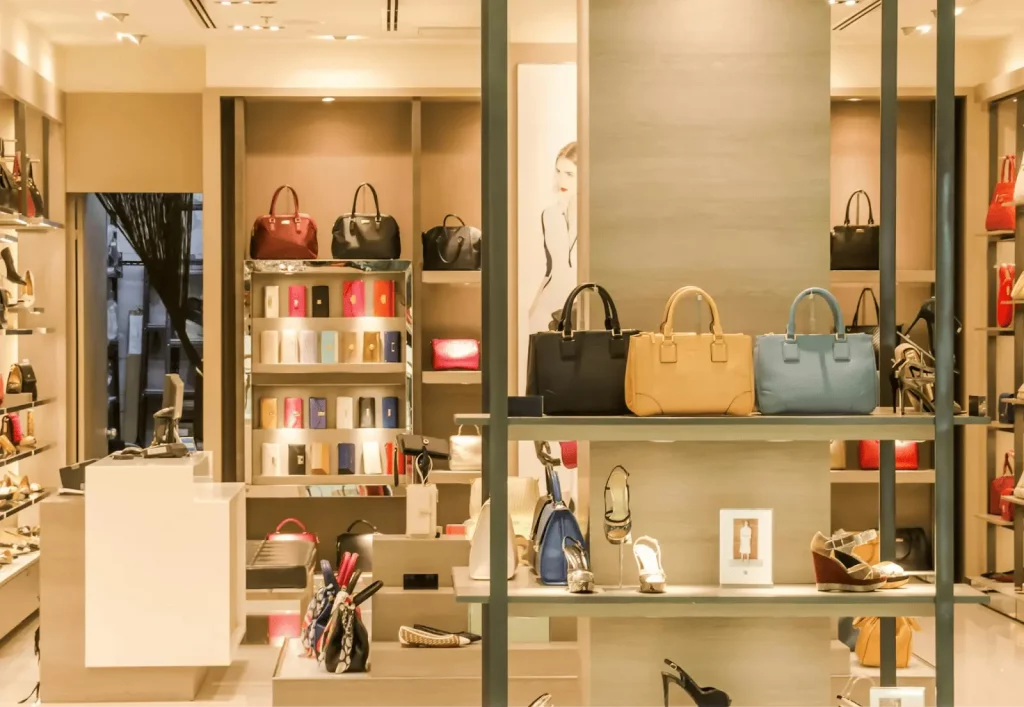
Using high-end visual content
Visual representation plays an important role in conveying the quality and exclusivity of luxury products. So, investing in superior visual content ensures that your brand’s message resonates with your target audience.
In this sense, professional photography and videography are mandatory since high-quality visuals showcase the craftsmanship and elegance of luxury items and capture the intricate details and essence of your products, appealing to the aesthetic sensibilities of affluent consumers.
But it’s not only that. You should reach aesthetic consistency across all platforms, maintaining a cohesive visual identity to reinforce brand recognition and trust.
For example, consistent use of color schemes, typography, and imagery ensures that your brand presents a unified and polished image, whether on social media, websites, or print materials.
Leveraging influencer partnerships
Why collaborating with influencers can amplify a luxury brand’s reach and credibility? Let us get something straight here: it is helpful to engage influencers, especially when these partnerships are thoughtfully selected and authentically executed.
These figures must embody the brand’s values to enhance its visibility and appeal because authenticity is key in the luxury market. Customers are discerning and can detect inauthentic endorsements, which may harm the brand’s reputation. So, collaborations should be genuine, and they must genuinely appreciate and use your product, ensuring their endorsements resonate with credibility and trustworthiness.
4. Optimizing digital presence
In the luxury market, a brand’s digital presence must mirror its physical counterpart’s exclusivity, elegance, and prestige. Consumers expect a seamless, refined, and immersive online experience that reinforces the brand’s core values while maintaining an air of exclusivity. This is why you need a meticulously crafted website as long as every other digital touchpoint.

How to design an elegant and functional website
A luxury brand’s website is more than just an online storefront: it is a digital showroom designed to reflect the refinement and prestige of your brand.
Unlike standard e-commerce platforms, which prioritize convenience and accessibility, a luxury website must balance aesthetics, functionality, and exclusivity to engage customers and reinforce the brand’s premium status.
It is not a secret that the user experience is paramount for high-end consumers.
Luxury shoppers expect a seamless and sophisticated interface where every interaction exudes elegance. A sleek, intuitive navigation system, combined with high-quality visuals, refined typography, and immersive storytelling, transforms the browsing experience into something aspirational.
So, there is a green light for cinematic videos, interactive lookbooks, and curated digital showcases that bring the brand’s world to life, drawing customers into a narrative that extends beyond the product itself.
There’s no room for slow-loading pages, cluttered layouts, and generic design choices that can undermine the sense of exclusivity, diminishing the brand’s perceived value.
The challenge here is to integrate e-commerce capabilities without compromising your elite image.
And don’t forget VIP shopping sections and personalized services! For example, you can offer private consultations or virtual shopping assistants to enhance the digital experience.
If you want to ensure that your luxury brand’s website stands out, ranks higher on searchengines, and provides a seamless, high-end experience, our team at Ziken Labs specializes in the creation, optimization, and positioning of creative and outstanding websites.
Contact us to discuss how to communicate your luxury product with an outstanding website.
Engaging on Social Media platforms
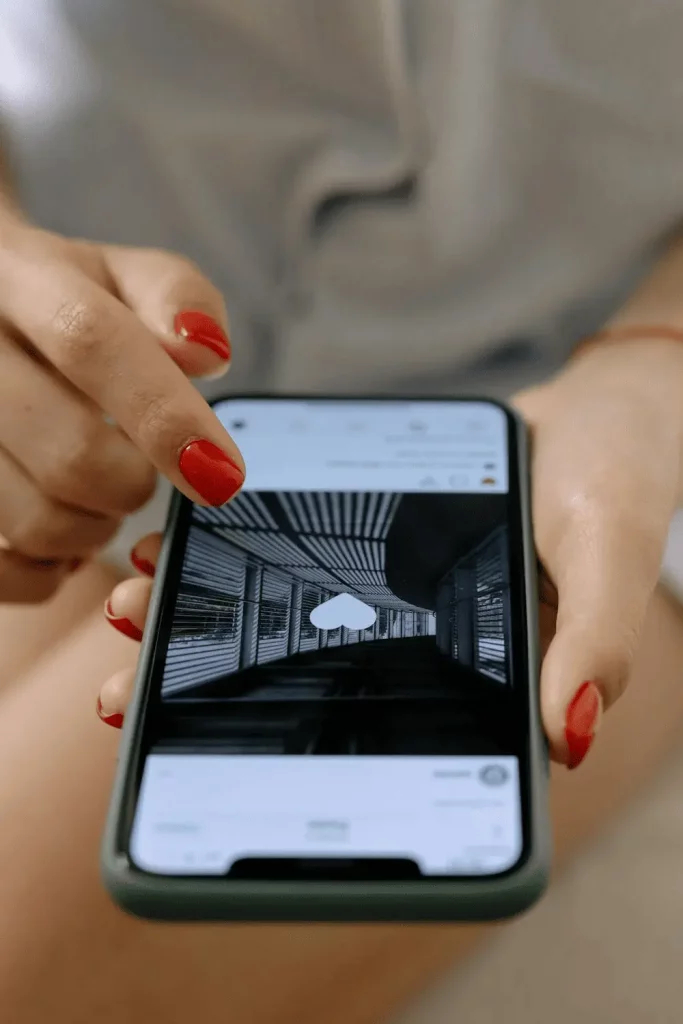
If you want to know how to promote a luxury product, a step you cannot skip is using social media. But be careful here. Unlike mass-market brands, luxury companies must curate content that aligns with their prestige, avoiding overly promotional tactics in favor of sophisticated storytelling and exclusivity-driven engagement.
Each platform requires a different approach to maintain a luxury brand’s aura. Instagram remains a hub for high-quality imagery, behind-the-scenes glimpses, and collaborations with exclusive partners. TikTok is often associated with mass appeal, it’s true, but it could also be an opportunity to showcase to a younger audience craftsmanship, heritage, and behind-the-scenes processes in an authentic and aspirational way.
Facebook, instead, is characterized by detailed audience segmentation so that you can use it for highly targeted private group engagement, event invitations, and personalized luxury experiences.
Still, the common denominator remains storytelling, which should be at the heart of a luxury brand’s social media strategy, whatever the platform is.
Instead of directly selling products, content should focus on their history, exclusivity, and lifestyle. Posts should evoke emotions with cinematic videos, immersive visuals, and aspirational lifestyle imagery to help position the brand as more than just a product but as a symbol of status and refined taste.
Luxury Copywriting: how to communicate exclusivity and prestige
Because we have talked about luxury websites and social media, it is also mandatory to introduce the concept of luxury copywriting.
Luxury marketing demands a distinct tone of voice that aligns with its audience’s aspirations, sophistication, and emotional desires. So, how your brand communicates plays a fundamental role in maintaining perceived value and prestige.
So, be sure to keep in mind these key points:
- The tone of voice in luxury marketing must be sophisticated, evocative, and aspirational: the language should exude refinement and exclusivity, steering away from affordability or practicality. Instead of presenting a product as something one purchases, it should be framed as an experience, a privilege, or an artistic masterpiece.
- Copywriting should evoke emotions and experiences: words should transport the consumer into your brand’s world. For instance, rather than saying “high-quality leather bag,” a luxury brand would describe it as “A masterpiece of artisanal leatherwork, crafted to transcend time.” Every sentence should create an emotional connection with the product.
- Avoid hard-selling, but create a narrative that allows customers to aspire to own the product: unlike mainstream brands, luxury marketing does not rely on aggressive promotions or discounts. So, the copy should invite customers into an exclusive world. Phrases like “An elegance invitation” or “A statement of refinement” subtly suggest that owning the product is a privilege rather than a transaction.
- Use scarcity and exclusivity in messaging: exclusivity fuels desirability. Terms like “Limited to only 100 pieces worldwide” or “By invitation only” reinforce the product’s rarity, making ownership feel like a distinguished achievement.
5. Communicating exclusivity through strategic marketing initiatives
Now, we think it is more than clear: in the luxury market, exclusivity is a cornerstone that elevates a brand’s allure and desirability. So, strategic marketing initiatives that emphasize it are useful to attract high-end clientele and foster deep brand loyalty.
Some examples? Implementing exclusive access programs, limited-edition collaborations, personalized services, and immersive brand experiences.
Exclusive access and private memberships
Creating a sense of privileged access is essential in luxury branding. How? By offering exclusive programs and personalized experiences, you deepen your brand connection with elite customers. You can:
- Create VIP programs with privileged access to new collections and services to select customers to preview and purchase new collections before the general public. An approach that rewards loyal clientele and reinforces their status within the brand’s community. For example, Four Seasons’ Preferred Partners program offers guests exclusive benefits and VIP status through a network of elite travel advisors, enhancing the luxury experience without additional costs.
- Offer by-invitation-only shopping experiences: hosting private, invitation-only shopping events provides an intimate setting where high-end clients can explore your products with personalized attention. These exclusive events make customers feel valued and unique, strengthening their emotional connection to the brand.
Just think about brands like Cartier that have embraced this approach, offering access to their archives and workshops through exclusive programs, allowing clients to immerse themselves in the brand’s heritage and craftsmanship.
Luxury collaborations and limited-edition releases
Strategic collaborations and limited-edition products can generate buzz and enhance a brand’s exclusivity.
You can partner with high-end designers, artists, or celebrities for exclusive collections to infuse fresh creativity into your offerings and attract diverse audiences.
For instance, Louis Vuitton’s collaborations with artists like Takashi Murakami and brands like Supreme have produced iconic collections that blend distinct aesthetics, appealing to traditional luxury consumers and the new generations.
Moreover, you can launch limited-edition products that create a sense of urgency and prestige.
Personalized marketing and bespoke services
Tailoring experiences to individual customer preferences can significantly enhance perceived value and loyalty. How can you do it?
Firstly, providing ultra-personalized offers based on customer preferences.
You can use data analytics to gain insights into customer behaviors and preferences, enabling the creation of personalized offers that resonate on an individual level.
This could include customized product recommendations, early access to preferred collections, or personalized communication that reflects the customer’s tastes and history with the brand.
Then, you can customize packaging, monogramming, and one-on-one consultations to elevate perceived value.
These services add a unique touch that distinguishes your brand by making products feel exclusive to each customer, enhancing their overall experience and perceived value.
Immersive luxury brand experiences
You can create memorable, immersive experiences to deepen customer engagement and reinforce brand exclusivity.
For example, you can:
- Organize high-profile events, private showcases, or interactive pop-ups:
That allows customers to experience your universe firsthand, generating excitement and providing unique touchpoints that strengthen customer relationships. For instance, luxury brands have embraced experiential marketing by organizing immersive pop-up events that offer exclusive previews and personalized interactions.
Leveraging virtual reality (VR) and augmented reality (AR) to enhance digital engagement: integrating VR and AR technologies into digital platforms can offer immersive experiences that replicate the allure of in-person interactions. Virtual try-ons, 360-degree product views, and interactive virtual showrooms allow customers to engage with your products innovatively, bridging the gap between physical and digital experiences.

How to promote a luxury product in 5 steps with strategic excellence
So, successfully promoting a luxury product requires more than premium craftsmanship and high-end pricing. It demands a strategic, meticulously curated approach that resonates with affluent consumers on an emotional and aspirational level.
A well-executed luxury marketing strategy balances accessibility with exclusivity, innovation with tradition, and storytelling with high-end service.
In this evolving marketplace, where luxury consumers are seeking meaningful, personalized, and immersive interactions, you must adapt to these expectations while maintaining your essence of exclusivity to thrive and set new industry benchmarks.
At Ziken Labs, we specialize in high-end marketing strategies tailored for brands looking to elevate their presence, engage elite clientele, and drive meaningful brand loyalty.
From SEO marketing strategies to optimized content with high-level SEO copywriting, from strategic branding to digital experience design, we can craft growth marketing solutions that align with the exclusivity and prestige of your brand.
Ready to position your luxury product at the top of the market? Let’s create a bespoke marketing strategy that defines your brand’s legacy.
Contact us to discover how we can help you refine and amplify your luxury brand’s presence.